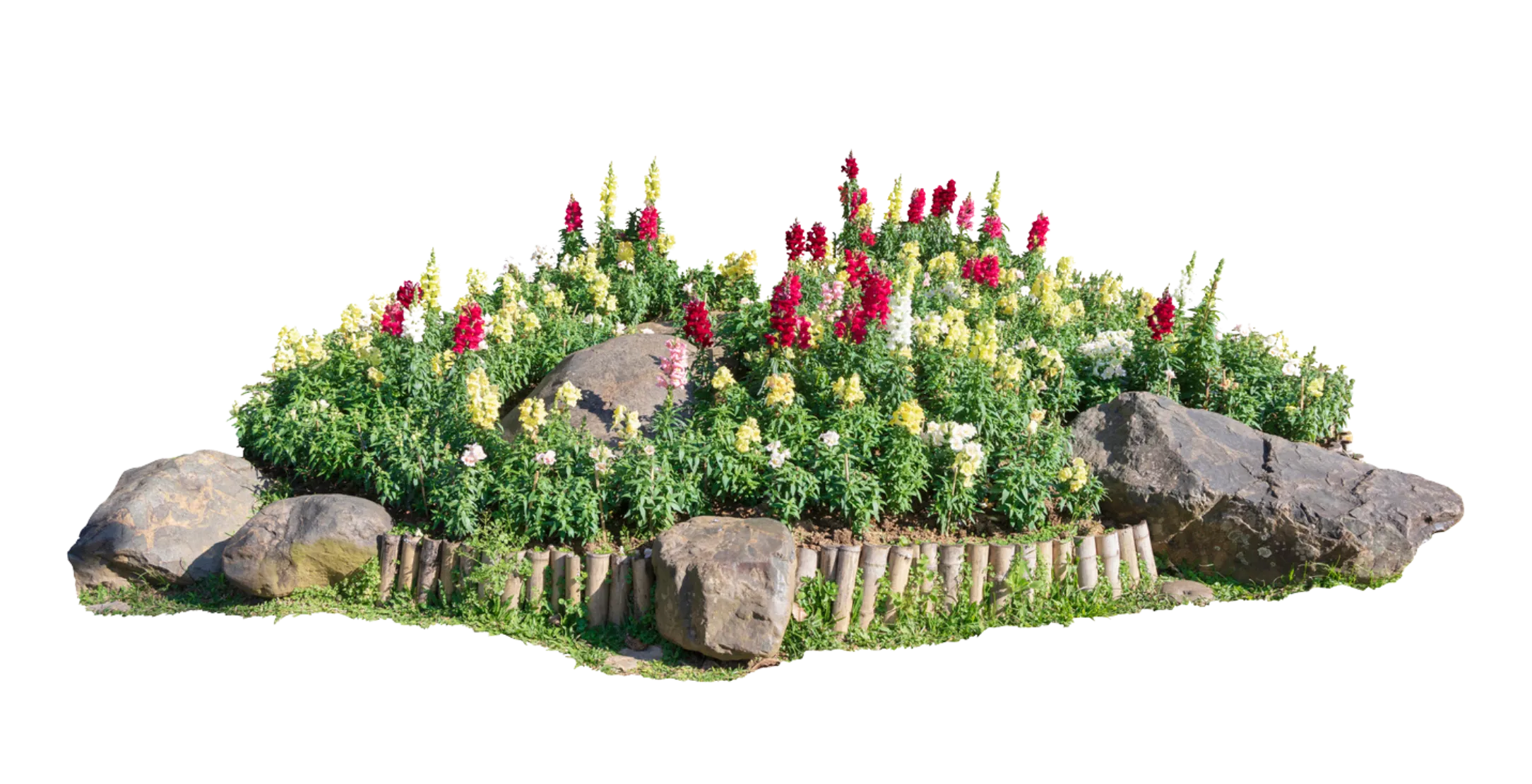
If your flowerbeds are struggling, it might be time to call in professional help. Here are seven clear signs that your garden could use expert care:
- Overgrown plants and weeds: Competing for nutrients, water, and sunlight, overgrowth can lead to weak plants and increased risk of disease.
- Pest infestations: Visible damage like skeletonized leaves or sticky residue may indicate harmful pests such as beetles, aphids, or grubs.
- Compacted or poor soil: Hard, dense soil restricts root growth and water absorption, leaving plants weak and discolored.
- Bare spots and dying plants: Yellowing leaves or drooping stems could signal watering issues, nutrient deficiencies, or hidden pests.
- Messy edges and thin mulch: Unkempt borders and insufficient mulch allow weeds to thrive and soil to dry out.
- Slow plant growth: Despite regular watering, poor soil chemistry or compaction may be limiting nutrient absorption.
- Standing water after rain: Persistent puddles can cause root rot, attract pests, and even damage your home’s foundation.
If these issues sound familiar, professionals can address problems like drainage, pests, and soil health, ensuring your flowerbeds thrive year-round. Don’t let small problems grow into costly repairs - schedule a professional inspection today.

7 Signs Your Flowerbeds Need Professional Maintenance
7 Steps for Maintaining Flowering Beds
1. Overgrown Plants and Weeds Taking Over
Weeds and overgrown plants can do more than just make your garden look messy - they actively steal vital resources like nutrients, water, and sunlight from your flowers. This competition can leave your plants struggling, with fewer blooms and weaker growth. On top of that, dense or "leggy" growth can reduce air circulation, increasing the risk of rot and disease spreading to nearby healthy plants. In Middle Tennessee's humid summers, these problems can escalate quickly, leaving your flowerbeds in bad shape.
Overgrown plants spilling onto your lawn create a blurred, untidy edge, while invasive species like dandelions, crabgrass, and clover can take over in no time. If you find yourself pulling weeds only to see them pop back up just as fast, it might be time to bring in professional help.
Professional maintenance services can tackle these problems head-on. They often apply pre-emergent herbicides in early spring to stop weeds before they sprout, along with selective post-emergent treatments to remove existing weeds without harming your flowers. Rejuvenation pruning can reshape overgrown bushes, and adding a fresh layer of mulch not only keeps weeds at bay but also locks in moisture - a big help in Middle Tennessee's challenging climate.
2. Pest Infestations Damaging Your Plants
Pests can wreak havoc on flowerbeds, often leaving behind unmistakable signs of their presence. For example, skeletonized leaves, where only the veins remain, are a dead giveaway that Japanese beetles are feeding. These shiny green insects target a variety of plants, including roses and crepe myrtles, and they tend to feed in groups, amplifying the damage. Similarly, yellow squiggly lines inside leaves signal leaf miners, while white stippling on foliage is a classic sign of spider mites. These mites are incredibly tiny - about 1/64 of an inch - so spotting them without a magnifying glass is nearly impossible.
Another common indicator is honeydew, a sticky substance left on leaves and stems by sap-sucking pests like aphids and mealybugs. This residue often attracts ants, adding to the problem. If you notice silvery or yellow spots on the tops of azalea leaves, lace bugs are likely feeding on the undersides. For shrubs and evergreens, watch out for silk bags on branches - these are created by bagworms. A single bagworm can lay up to 1,000 eggs, making them a serious threat to your plants. Recognizing these signs early is crucial to stop pests before the damage escalates.
If your soil feels spongy or plants wilt even with regular watering, the problem might lie underground. Check the roots for white, C-shaped grubs. You might also notice increased digging activity from animals like skunks, raccoons, or moles - they’re likely searching for these grubs in your flowerbeds.
Expert intervention is often the best way to handle infestations effectively.
"DIY methods may seem convenient, but misapplication of products - wrong dosage, incorrect timing, or choosing the wrong insecticide - can lead to poor results, lawn damage, or unintended harm to beneficial insects and pets." - SecureLawn
Professionals have the tools and knowledge to apply the right treatments at the right time. For example, grubs are most vulnerable in mid-spring and early fall, and pest control experts know how to time their treatments for maximum effectiveness. They also use specialized products and can accurately identify the pests causing the issue. Misidentifying pests or using the wrong treatment not only wastes time and money but also allows the problem to worsen, leaving your plants in distress.
3. Compacted or Poor-Quality Soil
Healthy soil is about 50% pore space, which allows water, oxygen, and nutrients to circulate freely. When soil becomes compacted, these crucial pores collapse, forming a dense layer that stunts root growth. Even with regular watering, plants in compacted soil might look weak or yellow. You might notice water pooling on the surface after rain instead of soaking in, and digging becomes a real challenge [20, 21].
A simple way to test for compaction is by pushing a 6-inch screwdriver into moist soil. If it resists, your soil is likely compacted [20, 22]. This issue forces roots to spread horizontally near the surface instead of growing deeper, which weakens plants further [20, 21].
The effects on plants can be severe. Compacted soil can slash nutrient absorption by 10% to 30% and reduce vertical leaf growth by as much as 70%. Steven Yergeau, a Rutgers Cooperative Extension agent, sums it up well:
"The resulting triple threat - restricted roots, limited water uptake, and poor nutrient absorption - is what makes compaction so damaging to soil health."
Clay soils are especially prone to compaction because their fine particles stick together when wet. Sandy soils, with larger particles, are less likely to compact [20, 23]. Signs of compacted soil include surface cracks that resemble alligator skin, bare patches where plants won’t grow, or deep-rooted weeds like dandelions and thistles - nature’s way of trying to break up hard soil layers [20, 21]. A foul smell can also signal severe compaction, as oxygen deprivation sets in.
When compaction extends deep into the soil - 12 inches or more - often caused by foot traffic or heavy machinery, professional solutions like core aeration and adding organic matter are necessary to restore proper soil structure [20, 21, 24, 27]. Addressing compacted or poor-quality soil is essential for creating healthy growing conditions.
4. Bare Spots and Dying Plants
Bare patches in your garden and plants that look like they’re on their last legs often point to deeper problems than just watering mistakes. Lisa Lapaso, a landscape consultant from Lisa's Landscape & Design, explains it clearly:
"The problem is that overwatering and under-watering can look the same."
Both scenarios can cause yellowing leaves and droopy stems, but they need completely different fixes. Overwatering pushes oxygen out of the soil, leading to root rot, while underwatering dries out the plant, starting with leaves that turn brown and brittle from the base upward. To check soil moisture, dig about 2 inches deep. If the soil clumps together, it’s moist. If it falls apart, it’s too dry. Beyond watering, other factors like environmental stress and maintenance issues can also harm your plants.
Bare spots might also signal structural problems. For example, planting mistakes can damage roots, shortening a plant’s life. Additionally, plants placed in rock-heavy landscapes may face soil temperatures up to 20°F higher than usual, which speeds up water loss and stresses roots.
Other culprits include hidden pests like grubs or chinch bugs and exposure to harmful chemicals, such as herbicides, pet urine, or cleaning products. Combine these issues with poor soil conditions or overgrowth, and you’ve got an open invitation for weeds. These weeds can quickly outcompete your flowers for light and nutrients, worsening the problem.
Getting a professional opinion is key because most landscape plants only live 10 to 20 years. What looks like a small issue might actually mean the plant is nearing the end of its natural life and needs replacing. Experts can pinpoint whether your plants are struggling due to pests, diseases, nutrient deficiencies, or environmental stress. This saves you from wasting time and money on DIY fixes that don’t work. Just like managing overgrowth or pests, understanding the root causes - whether it’s watering, planting, or environmental factors - is essential for a thriving garden.
sbb-itb-0cecc4c
5. Messy Edges and Thin Mulch
Messy edges and thinning mulch can undermine the health of your flowerbeds. As YardSteel Australia puts it:
"Clean edges make a garden feel intentional, structured and polished. Messy edges do the opposite."
When edging deteriorates or isn’t installed correctly, invasive grasses like Kikuyu or Buffalo can creep into your beds. These grasses compete with your plants for vital resources like water and nutrients. Installing edging properly - burying about one-third of it - can stop grasses from invading and keep mulch neatly in place.
Thin mulch adds to the problem. A layer under 2 inches doesn’t do enough to suppress weeds, lock in moisture, or regulate soil temperature. Teresa Joaquim from LawnStarter explains:
"If your mulch layer is getting too thin (under 2 inches for landscaping beds), add another layer to continue reaping the benefits."
To keep your garden thriving, aim for a mulch depth of 2 to 3 inches. This helps block weeds, maintain soil moisture, and avoid extreme temperature swings that can stress plant roots. Organic mulches decompose and typically need refreshing every 1 to 2 years, while inorganic mulches can last 3 to 5 years. Without a proper mulch layer, soil dries out faster, temperature fluctuations increase, and weeds can easily take over.
If mulch and edging need attention, professional services can help. Mulching costs about $286 on average, while regular weeding runs around $96. Together, they restore your garden’s defenses, while defined edging also shields delicate stems from accidental damage.
6. Slow Growth Despite Regular Watering
If your flowerbeds seem stuck in slow motion despite consistent watering, the problem likely lies beneath the surface. Issues like soil chemistry, compaction, or nutrient deficiencies could be at play. Simply adding water won't fix these deeper concerns. As Terra Lawn Care explains:
"Nutrient uptake is hindered when soil conditions are suboptimal. Unbalanced pH levels, compacted soil, low organic matter, and excessive irrigation all limit what plant roots actually absorb."
One common culprit is nitrogen deficiency, which causes older leaves to turn pale green or yellow. Phosphorus deficiency, on the other hand, stunts root growth and gives dark green leaves a purple or reddish hue. Iron deficiency presents differently - it makes young leaves turn pale yellow while the veins stay dark green. This often happens when soil pH exceeds 7.0, locking iron out of reach for plant roots. Conducting a soil test and applying the right fertilizer can address these problems before they cause lasting harm.
Compacted soil is another hidden issue that can hinder growth. Heavy foot traffic or frequent rainfall can pack the soil tightly, blocking roots from growing freely and absorbing nutrients. Turf Unlimited puts it this way:
"Nutrients are the building blocks of healthy lawns and plants... When nutrients are missing or imbalanced, plants and grass can't perform essential functions, resulting in stunted growth, discoloration or even death."
Pinpointing the exact cause of slow growth can be tricky because symptoms often overlap. For example, yellowing and drooping leaves might indicate overwatering, underwatering, or nutrient deficiencies. This makes a soil test indispensable. It reveals critical details like pH levels and nutrient deficiencies, enabling precise, effective treatment instead of guesswork. Without professional testing, you risk applying the wrong solution while your plants continue to struggle.
7. Standing Water After Rainfall
If puddles linger in your yard for 24–48 hours after rainfall, you’re likely dealing with a drainage problem. Water pooling on the surface is often a sign that the soil isn’t absorbing moisture properly. This can happen due to compacted soil, poor grading, or soil high in clay content. Flowerbeds in low-lying areas or those sloping toward your home become natural collection points for runoff from roofs, driveways, and patios. Unfortunately, this sets the stage for problems that can harm your plants.
Standing water cuts off oxygen to plant roots, leading to root rot. It also creates a perfect breeding ground for fungal diseases and mold, which can quickly damage your garden. On top of that, stagnant water attracts pests like mosquitoes. Believe it or not, these insects can lay eggs in something as small as a bottle cap’s worth of water.
As Midlands Landscape highlights:
"Proper lawn drainage is essential not only for the aesthetic appeal of your yard but also for its ecological health and the safety of your property."
The impact of poor drainage doesn’t stop at your flowerbeds. If water collects near your home’s foundation, it can cause structural cracks, basement leaks, and even mold growth. Alarmingly, about 80% of foundation problems are tied to poor yard drainage, and fixing these issues can cost anywhere from $2,000 to $10,000. Runoff can also strip away nutrient-rich topsoil - up to 6 tons per acre each year - making it harder for your plants to thrive.
Solving drainage problems often requires professional help. Solutions like installing French drains, catch basins, or regrading the landscape can effectively redirect water away from problem areas. For clay-heavy soils, aeration can improve drainage by around 30%, but persistent pooling usually signals the need for a more comprehensive fix. If your flowerbeds remain waterlogged after storms or you notice erosion forming, it’s time to bring in experts to assess the situation and recommend long-term solutions.
How Diamond Lawn Services Addresses These Issues

From managing overgrowth and poor soil to tackling pests and drainage problems, Diamond Lawn Services offers focused solutions for every flowerbed challenge.
With over 9 years of experience in Middle Tennessee, this team understands the region's specific climate and soil conditions. Their process starts with a thorough yard cleanup, clearing debris and overgrowth to prepare your flowerbeds for consistent care.
Each service visit includes trimming, edging, targeted weed control, and professional mulch application to shield plants and improve soil quality. For areas with compacted or low-quality soil, they enhance drainage and can install fresh sod or new plantings to rejuvenate the space.
Pests like grubs, Japanese beetles, and aphids are common in the area, but Diamond Lawn Services uses precise treatments - such as soil injections and contact sprays - to manage these threats effectively.
Water management is another key focus. For flowerbeds prone to standing water after storms, they offer drainage solutions like French drains, catch basins, or regrading to redirect runoff, protecting plants from root rot and preventing erosion.
A satisfied customer shared their experience:
"Diamond Lawn Service is reasonably priced, their work is impeccable, they are prompt and always arrive as scheduled, they respond to inquiries quickly - they are truly fantastic in every way".
Serving Brentwood, Franklin, Nashville, Davidson County, and Williamson County, Diamond Lawn Services provides free, no-obligation estimates after inspecting your property. Whether you're dealing with overgrown flowerbeds, pest issues, or drainage concerns, their customized solutions meet the specific needs of Middle Tennessee landscapes.
Conclusion
Overgrown weeds, pest damage, compacted soil, bare spots, messy edges, slow growth, or standing water are all signs that your flowerbeds might need some extra attention. Ignoring these red flags can lead to bigger issues - like spreading diseases or weeds stealing vital nutrients and water from your plants.
Taking care of these problems early not only protects your investment but also keeps your property looking its best. As Erbert Lawns wisely puts it:
"Knowing when to call in a professional can save you time, money, and frustration in the long run."
Catching these issues early can save you from losing plants or facing expensive fixes down the road.
Take a moment this week to inspect your flowerbeds for anything unusual: discolored spots, visible pests, drooping plants, or areas with standing water. If these problems persist despite your best DIY efforts, it might be time to call in a professional. They can identify hidden issues - like compacted soil or nutrient deficiencies - that store-bought solutions might not address.
If you're in Middle Tennessee, including Brentwood, Franklin, Nashville, Davidson County, or Williamson County, Diamond Lawn Services offers free estimates. Their team of experts can evaluate your flowerbeds and create a tailored plan to address challenges like drainage, pests, and more.
Don’t wait for small problems to turn into major headaches. Schedule a professional inspection and give your flowerbeds the care they need to flourish year-round.
FAQs
How often should flowerbeds be professionally maintained in Middle Tennessee?
Flowerbeds in Middle Tennessee thrive with consistent professional care. Regular tasks such as weeding, pruning, mulching, and soil aeration are key to keeping plants healthy and looking their best. These practices ensure the soil stays nutrient-rich and the plants remain well-maintained throughout the growing season.
What’s the fastest way to tell if yellowing plants are from watering, pests, or soil issues?
To figure out why your plants are turning yellow, start by looking for pests such as aphids or whiteflies, as they can harm leaves and cause discoloration. Then, take a closer look at your watering routine - yellow leaves often signal problems like overwatering or underwatering, both of which can stress the plant. If pests and watering aren't the issue, poor soil quality or a lack of nutrients might be the culprit. However, starting with pest checks and watering adjustments is usually the fastest way to pinpoint the problem.
Which drainage fix is best for standing water in flowerbeds?
If you’re dealing with standing water in your flowerbeds, one of the most effective fixes is installing a soakaway or a subsurface drainage system, such as a French drain. These systems work by channeling excess water away from the area, reducing waterlogging and helping your plants thrive.