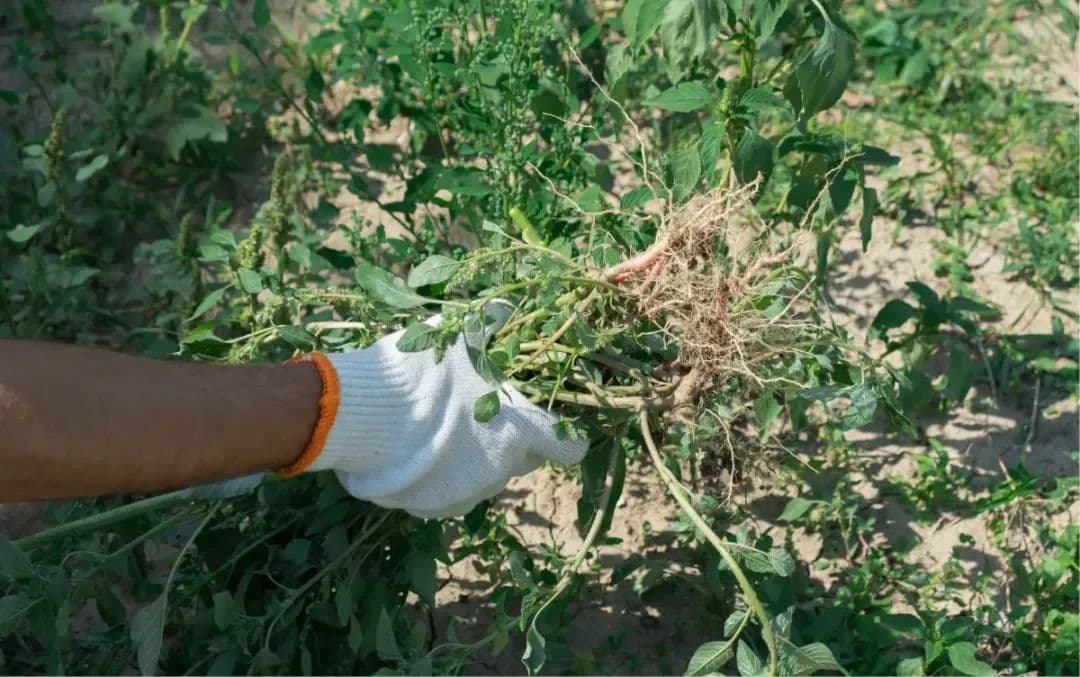
Maintaining a healthy lawn in Tennessee is tricky due to its climate and soil conditions. The state’s extreme weather swings, from scorching summers to freezing winters, challenge both cool-season and warm-season grasses. Add to that the compact Tennessee red clay and alkaline soils in some areas, and you’ve got a recipe for common lawn issues like weeds, soil compaction, drought stress, brown patch disease, and grub infestations. Here’s a quick breakdown:
- Weeds: Manage with pre-emergent herbicides, proper mowing, and overseeding.
- Soil Compaction: Core aeration and compost topdressing improve soil structure.
- Drought Stress: Water deeply (1–1.5 inches weekly) and mow higher in summer.
- Brown Patch Disease: Prevent with fungicides and morning watering.
- Grub Infestations: Use preventive insecticides in late spring to early summer.
Lawn Problems and How to Fix Them!
sbb-itb-0cecc4c
Problem 1: Weed Infestations
Tennessee's warm and humid climate creates the perfect environment for weeds to thrive year-round. When your lawn becomes thin or stressed due to heat, drought, or poor soil, weeds take advantage of the gaps. Just one crabgrass plant can produce up to 150,000 seeds, quickly overtaking bare spots.
Timing plays a crucial role in preparing your lawn for spring and managing weeds. For instance, summer annual weeds like crabgrass and goosegrass begin germinating when soil temperatures hit 55°F, typically around mid-March in Middle Tennessee. If you wait until you see them sprouting, it's already an uphill battle. On the other hand, winter annual weeds like henbit germinate in the fall, requiring a completely different prevention strategy.
Common Weeds in Tennessee
Recognizing the types of weeds in your lawn is the first step to effective control. Tennessee lawns contend with three main categories of weeds, each needing distinct approaches:
- Broadleaf weeds: These weeds are easy to identify with their wide leaves and branching veins. Dandelions, for example, are recognizable by their yellow flowers and deep taproots that can grow several inches into the soil. White clover forms low patches with trifoliate leaves and white or pink flowers, thriving in low-nitrogen conditions. Henbit, which emerges in late winter, features purple flowers and square stems.
- Grassy weeds: These resemble lawn grass but grow in clumps or mats. Crabgrass tends to sprawl flat along the ground, especially near warm surfaces like sidewalks. Goosegrass, with its silver-white base, thrives in compacted soil.
- Sedges: Often the hardest to identify, sedges like yellow nutsedge have glossy yellow-green blades and triangular stems. A helpful tip: when you roll the stem between your fingers, you'll feel its distinct edges - hence the saying, "sedges have edges."
How to Control Weeds
Effective weed control hinges on timing and maintaining a healthy lawn. A dense, well-maintained lawn is your best defense. For example, keep tall fescue mowed to 3–3.5 inches and bermudagrass or zoysiagrass to 2.5–3 inches. This height shades the soil, blocking the sunlight many weed seeds need to sprout.
- Pre-emergent herbicides: Apply these in mid-March when soil temperatures reach 55°F. Forsythia shrubs blooming can serve as a natural indicator. To prevent winter annuals, apply pre-emergents in September or October. These products create a barrier in the soil's top layer, stopping seeds from taking root.
- Post-emergent herbicides: For established weeds, use dicamba-based post-emergents in mid-spring through early summer and again in mid-to-late fall.
- Manual removal: For perennial broadleaf weeds like dandelions, pull them when the soil is moist - ideally a day or two after rain. Use a deep weeding tool to remove the entire taproot, as any leftover root can lead to regrowth.
To prevent weeds from taking over thin areas, overseed in early fall to fill in bare spots. Water deeply but infrequently - about 1 inch per week - to encourage deep grass roots that can outcompete shallow-rooted weeds. Also, maintain soil pH between 6.0 and 7.0 and use slow-release nitrogen fertilizer to keep clover at bay.
Problem 2: Soil Compaction
Just like managing weeds, tackling soil compaction is key to maintaining a healthy lawn. Tennessee's heavy clay soils are particularly prone to this issue. When wet, they clump together, and when dry, they harden into a brick-like state. Everyday activities like walking on the lawn, mowing, and the intense summer heat all contribute to compacting the soil, which reduces the space available for oxygen, water, and nutrients to move freely.
"Heavily compacted soils can reduce the amount of oxygen, water, and vital nutrients that get to your root zone, causing brown patches and dried-out grass." – GreenKeeper
This compaction weakens root systems, leaving them shallow and making the grass more susceptible to drought. You might also notice water pooling in low areas or running off the surface instead of soaking in, further depriving the lawn of essential nourishment.
How to Spot Soil Compaction
Spotting the signs early can save your lawn from further damage. Bare patches, thinning grass, or grass that looks yellow and weak are all red flags. If water pools on the surface after rain or irrigation instead of being absorbed, compaction is likely the culprit.
A simple way to test for compaction is the screwdriver test. Push a flathead screwdriver into the dry soil. If it resists penetration beyond 1–2 inches, your soil is likely compacted. Additionally, if your lawn feels unusually firm or even spongy when you walk on it, the soil structure may already be compromised. Acting quickly to address these signs can make a big difference.
Fixing Compacted Soil
Core aeration is the go-to solution for compacted soil in Tennessee lawns. This method involves removing small plugs of soil and thatch, opening up channels that allow air, water, and nutrients to reach the roots. For cool-season grasses like fescue and ryegrass, aeration is best done in early spring or fall. For warm-season grasses such as bermudagrass and zoysia, late spring to early summer - when the grass is actively growing - is the ideal time.
If your lawn gets a lot of foot traffic, consider aerating every year. Otherwise, every other year should suffice. Leave the aeration plugs on the lawn to decompose naturally, as they help improve microbial activity. After aerating, overseed the lawn to fill in bare spots and thicken the grass.
For a longer-term fix, topdress the lawn with a mix of compost and biochar to help rebuild the soil's structure. Stick to deep, infrequent watering - about 1 inch once or twice weekly - to encourage roots to grow deeper. Finally, avoid walking or mowing on wet soil, as saturated clay compacts much more easily under pressure.
Problem 3: Drought Stress
Tennessee summers can push lawn temperatures up to a scorching 110°F, putting tall fescue - Tennessee's primary cool-season grass - under serious strain. Unlike warm-season grasses like Bermuda and Zoysia, which thrive in heat ranging from 80°F to 95°F, tall fescue prefers the cooler range of 60°F to 75°F. When summer heatwaves hit, tall fescue lawns often thin out, turn brown, and lose their luster. Without timely care, this stress can lead to long-term damage.
Spotting the early signs of drought stress gives you the chance to step in before your lawn suffers irreparable harm. Subtle changes in the lawn's appearance are often the first clues that it needs extra attention.
Signs of Drought Stress
A drought-stressed lawn often takes on a bluish-gray hue, with grass blades that wilt or curl. These blades won’t spring back after being stepped on, leaving behind visible footprints - a condition known as "footprinting."
You might also see brown, dried-out patches of grass after extended dry periods. If you're unsure whether your lawn needs water, these visual cues can guide you. Keep in mind that the longer grass goes without water, the weaker its root system becomes, making it harder for the lawn to recover.
Once you spot these signs, it’s time to adjust your watering routine.
Proper Watering Techniques
The best way to protect your lawn from drought stress is to water deeply but infrequently. Aim for 1 to 1.5 inches of water per week, including rainfall. Instead of daily light watering, focus on watering once or twice a week. This encourages the grass roots to grow deeper into the soil, where moisture is more stable. To ensure you're hitting the right amount, use a rain gauge to measure your sprinkler's output - once it reaches 1 inch, your lawn has received enough water.
Timing is just as important as the amount. Water your lawn early in the morning, ideally before 10 a.m., to reduce evaporation and give the grass time to dry during the day. This helps prevent fungal diseases. Watering at night, on the other hand, leaves the grass damp for too long, creating conditions where diseases can thrive.
During the summer, raise your mower blade to 3 or 4 inches. Taller grass provides shade for the soil, keeping it cooler and reducing water loss. Avoid heavy foot traffic on the lawn during dry spells, as compacted soil can limit root growth. You can also conserve moisture by applying a 3-inch layer of organic mulch around trees and garden beds, which can cut down evaporative water loss by 25–50%.
Problem 4: Brown Patch Disease
Summers in Middle Tennessee create the perfect storm for brown patch disease, a fungal issue caused by Rhizoctonia solani. When nighttime temperatures stay above 68°F and humidity soars, tall fescue lawns become prime targets. Warm, muggy nights combined with prolonged wetness allow this fungus to thrive and spread rapidly.
"If you have a fescue lawn in Middle Tennessee, I have some news for you: it's not a matter of if your lawn will get brown patch disease, it's a matter of when." - Mr. Lawn Care Team
This disease doesn’t waste time - it can turn a lush lawn into a patchy mess in just a few days during peak summer.
Identifying Brown Patch
Brown patch is easy to spot if you know what to look for. It forms circular patches of tan or brown grass, ranging from 6 inches to 3 feet wide. In the early morning, you might notice a dark, grayish-black ring around the edges of these patches, often called the "smoke ring" by lawn care experts. Wet grass blades may also show white, cotton-like threads of fungal growth (mycelium).
Take a closer look at the individual blades: they often have irregular tan or light brown spots surrounded by dark brown or purplish edges. To confirm brown patch, try the tug test - gently pull on a blade from the affected area. If it comes away easily and the base looks brown or rotted, it's a good indicator that brown patch is present.
How to Treat and Prevent Brown Patch
The best way to tackle brown patch is by starting preventive fungicide treatments in May, as soon as nighttime temperatures consistently exceed 60°F. Reapply fungicides every 28 days through August to keep the fungus at bay. Liquid fungicides are more effective than granular ones, as they coat both the grass blades and the soil. To prevent the fungus from becoming resistant, rotate active ingredients like azoxystrobin and propiconazole. During treatment, leave grass clippings on the lawn - they help protect the fungicide from breaking down too quickly.
Beyond fungicides, good lawn care practices can make a big difference. Keep your fescue mowed to 3–4 inches to improve airflow and reduce stress on the grass. Water early in the morning, ideally between 3 AM and sunrise, so the grass dries quickly. Avoid watering in the evening, as it leaves grass wet overnight and invites fungal growth. Trim shrubs and tree branches to boost air circulation, which helps reduce the humidity around your lawn. Finally, avoid using high-nitrogen fertilizers right before or during hot, humid weather - lush, fast-growing grass is more vulnerable to infection.
Problem 5: Grub Infestations
White grubs, the larvae of scarab beetles like Japanese beetles, June beetles, and chafers, can wreak havoc on lawns. These C-shaped pests measure between 3/8 and 2 inches, have brown heads, and sport six distinct legs. In Tennessee, they spend most of the year underground, staying 1–3 inches below the surface during mild weather and burrowing deeper in winter. They feed on grass roots, cutting off the lawn’s access to water and nutrients, which can cause significant damage.
Grub damage is most noticeable in the fall (September and October) and spring, as the larvae feed closer to the surface during these times. Additionally, secondary damage often occurs when animals like birds, skunks, moles, and raccoons dig up lawns to hunt for grubs.
Recognizing Grub Damage
Grub infestations often result in irregular yellow or brown patches of turf that appear withered. These patches, common in late summer or early fall, feel spongy and can be rolled back like loose carpet. Early signs of damage may resemble drought stress, with grass showing gray-green discoloration and wilting despite proper watering.
To confirm an infestation, cut and lift a 12-inch square section of sod about 3 inches thick using a spade. Check the top 2 inches of soil for grubs and count them. If you find 10 or more grubs per square foot, treatment is needed. Healthy, well-maintained lawns may tolerate up to 20 grubs per square foot before showing visible damage.
Controlling Grubs
Once you’ve confirmed grub damage, it’s important to act quickly. Preventive insecticides applied between late May and early August can target young grubs as they hatch. Look for products with active ingredients like chlorantraniliprole or imidacloprid for effective prevention. If you discover an active infestation in August or September, switch to curative treatments with trichlorfon or carbaryl. These work best on small grubs feeding near the surface.
"As a rule, younger insects are easier to kill than mature insects, and it's easier to get the insecticide to the grubs the closer they are to the soil surface." – University of Tennessee Extension
After applying insecticide, water the lawn with at least 0.5 inch of water to help the product reach the grubs in the root zone. Avoid treating in spring, as grubs are fully grown by then and much harder to control. Instead of treating the entire lawn, focus on problem areas that have shown damage in the past. Research shows that over 70% of grub treatments are unnecessary because no grubs are actually present.
Year-Round Lawn Care Tips for Middle Tennessee
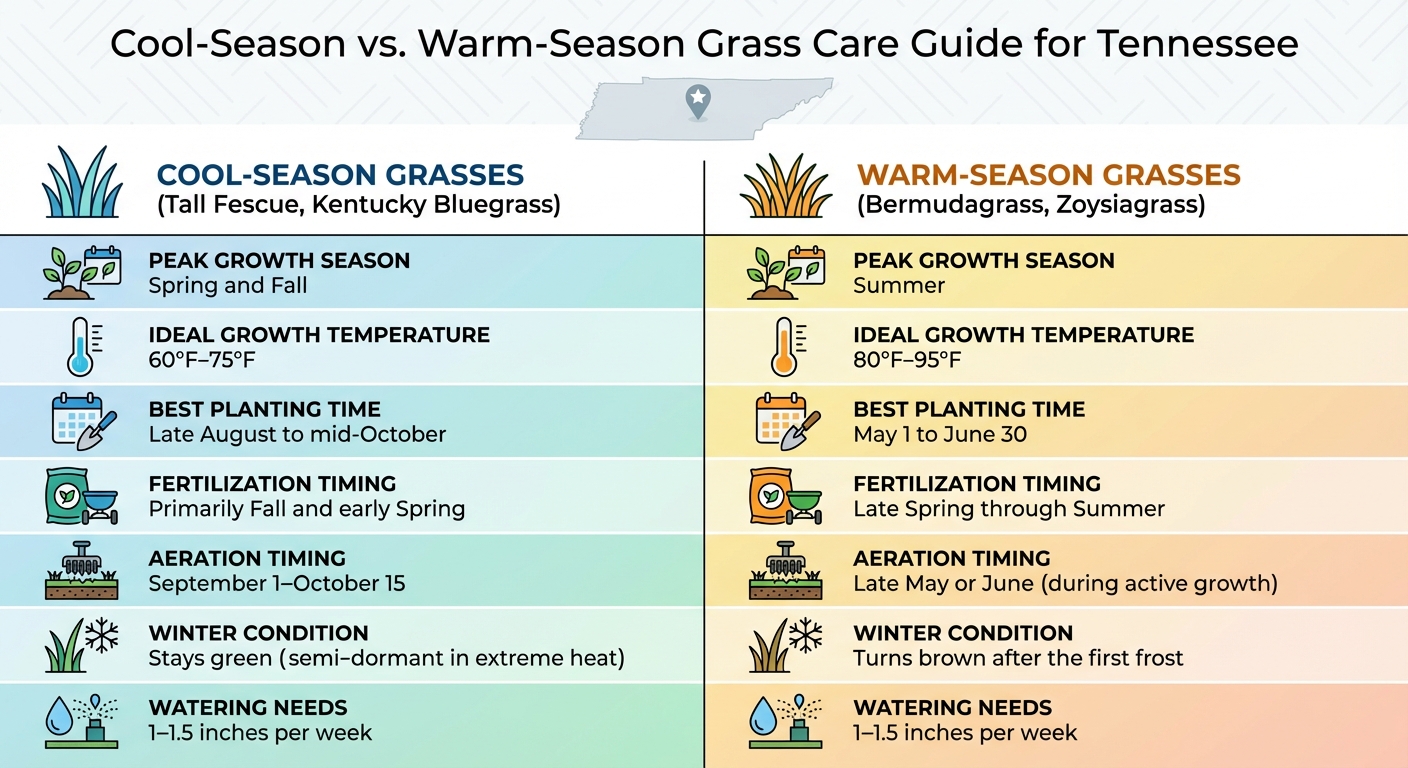
Cool-Season vs Warm-Season Grass Care Guide for Tennessee Lawns
Middle Tennessee sits in a unique transition zone where both cool-season and warm-season grasses can thrive - if you time your maintenance correctly. Start with a soil test every three years to check nutrient levels and maintain a pH between 6.0 and 6.5. This eliminates guesswork and ensures your fertilizer does its job.
During summer's dry spells, lawns in Tennessee need about 1 to 1.5 inches of water each week to stay healthy. The area's climate can be unpredictable, so proper care is key to avoiding issues like drought stress and disease. While the fertile soils of the Nashville Basin provide a good foundation, the Highland Rim's higher elevation may require more careful grass selection to prevent winter damage.
"Timing precision separates successful outcomes from wasted inputs. A pre-emergent applied 2 weeks late allows crabgrass germination that no post-emergent product fully corrects." – Tennessee Lawn Care Authority
To keep your lawn thriving throughout the year, follow these seasonal maintenance strategies.
Seasonal Maintenance Schedule
Winter (December–February):
Use this time to conduct soil tests and apply pre-emergent herbicides by late February to control winter weeds like chickweed and henbit. These steps prepare your lawn for the upcoming spring.
Spring (March–May):
For cool-season grasses, finish overseeding by mid-March and apply crabgrass pre-emergent before soil temperatures hit 55°F at a 4-inch depth - usually by early April in Middle Tennessee. For warm-season grasses, wait until after Nashville's average last frost date (April 7) to apply the first round of fertilizer.
Summer (June–August):
Irrigation becomes critical during this season. Warm-season grasses like bermudagrass may benefit from a second fertilizer application, but stop feeding them at least six weeks before the first fall frost to prevent winter damage. Raise your mower blade to encourage deeper roots and help retain moisture.
Fall (September–November):
This is the prime season for cool-season lawns. Between September 1 and October 15, focus on core aeration and overseeding to give new grass 6–8 weeks to establish before soil temperatures drop below 50°F. Apply a high-potassium "winterizer" fertilizer to fescue in late November, but avoid nitrogen after November 15. Keep leaves from piling up - layers over 1 inch can suffocate your grass and lead to fungal problems.
These seasonal steps highlight how different grass types require tailored care, as detailed below.
Cool-Season vs. Warm-Season Grass Care
Knowing the differences between cool-season and warm-season grasses will help you refine your lawn care approach. Middle Tennessee lawns often feature cool-season grasses like tall fescue or Kentucky bluegrass, or warm-season varieties like bermudagrass or zoysiagrass. Each has specific needs throughout the year.
| Feature | Cool-Season (Tall Fescue, Kentucky Bluegrass) | Warm-Season (Bermudagrass, Zoysiagrass) |
|---|---|---|
| Peak Growth Season | Spring and Fall | Summer |
| Ideal Growth Temperature | 60°F–75°F | 80°F–95°F |
| Best Planting Time | Late August to mid-October | May 1 to June 30 |
| Fertilization Timing | Primarily Fall and early Spring | Late Spring through Summer |
| Aeration Timing | September 1–October 15 | Late May or June (during active growth) |
| Winter Condition | Stays green (semi-dormant in extreme heat) | Turns brown after the first frost |
| Watering Needs | 1–1.5 inches per week | 1–1.5 inches per week |
Cool-season grasses remain green through the winter but can struggle in the summer heat, while warm-season varieties handle summer drought and foot traffic better but turn brown after the first frost. Applying nitrogen to warm-season grasses after September increases the risk of winter damage, while skipping fall fertilizer on cool-season fescue can weaken its winter resilience.
Conclusion
Tennessee lawns face some unique challenges, especially in Middle Tennessee, where weeds, compaction, drought, brown patch, and grub damage are common culprits. The solution? Focused, timely care. Practices like core aeration to combat soil compaction and a maintenance schedule tailored to the region are crucial for keeping your lawn healthy and thriving.
Consistency makes all the difference. A properly fertilized lawn not only resists weeds but also bounces back quickly from pest or disease damage. Regular soil testing and interseeding help maintain that lush, dense look homeowners love.
This quote underscores the importance of tailoring lawn care to local conditions. Tennessee’s varied climate and soil types demand specific approaches. That’s where professional lawn services can step in, providing expertise and advanced tools to ensure every treatment is applied at just the right time.
For ongoing problems, Diamond Lawn Services offers free estimates and customized year-round plans designed specifically for Middle Tennessee lawns. We proudly serve homeowners across Franklin, Nashville, Davidson County, and Williamson County. With professional lawn care, your lawn can stay green, thick, and resilient no matter the season.
FAQs
Should I choose tall fescue or bermudagrass in Middle Tennessee?
In Middle Tennessee, deciding between tall fescue and bermudagrass comes down to your lawn's specific needs and the area's climate.
Bermudagrass loves the heat, making it a great option for the region's hot summers. However, it turns brown and goes dormant in the winter, meaning you'll need to re-establish it each spring. On the other hand, tall fescue offers a longer green season, holding its color well into cooler months. It also handles some shade and can withstand summer heat if you overseed in the fall.
If you're after heat tolerance, bermudagrass could be your best bet. But for a lawn that stays green most of the year, tall fescue - with the right care - might be the better choice.
How do I know if my lawn needs aeration?
If your lawn is struggling with poor water absorption, uneven grass growth, or weak nutrient uptake, it might be time for aeration. Other red flags include poor drainage or signs of drought stress. Once you aerate, you’ll notice small soil plugs or holes left behind. These create pathways for better airflow, water, and nutrients to reach the roots, giving your grass the boost it needs to grow stronger and healthier.
When should I treat for grubs in Tennessee?
The ideal time to tackle grub infestations in Tennessee is from late summer to early fall. During this period, grubs are at their most active and can cause significant damage to lawns. Keep an eye out for warning signs like brown patches that fail to recover or soil that feels spongy underfoot. Treating during this time is especially effective because grubs feed closer to the surface, making them easier to target. Most white grub species are active during these months, increasing the chances of successful treatment.