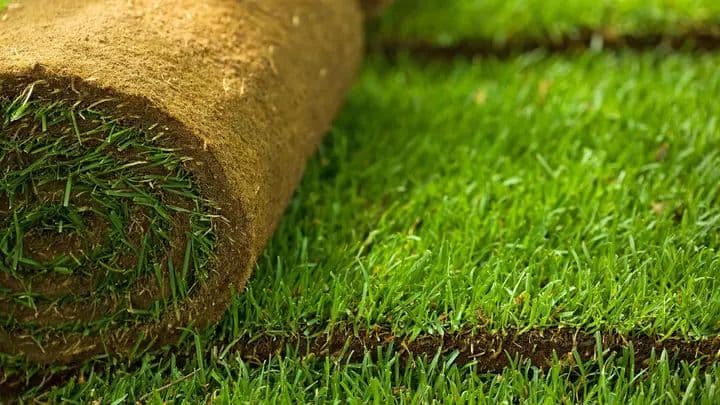
If you're deciding between sod and seed for your lawn in Brentwood, TN, here's the quick answer: Sod is ideal for instant results and erosion control, while seed is more budget-friendly and develops stronger roots over time.
- Sod: Costs $0.80–$1.50/sq. ft. installed. Provides an immediate, lush lawn and is great for sloped areas but requires higher upfront costs and more labor.
- Seed: Costs $0.08–$0.18/sq. ft. (DIY). Cheaper and allows for more grass variety but takes longer to establish and is prone to erosion in heavy rains.
Key Considerations:
- Cost: Sod is 5–10x more expensive than seed.
- Timing: Sod can be installed anytime, while seed thrives in fall or spring in Tennessee.
- Durability: Seed grows deeper roots, making it more resilient in Brentwood’s clay soil.
- Maintenance: Sod needs heavy initial watering; seed requires patience and frequent overseeding.
Quick Comparison:
| Factor | Sod | Seed |
|---|---|---|
| Cost | $1,000–$1,300/1,000 sq. ft. | $80/1,000 sq. ft. |
| Appearance | Instant green lawn | Takes 4–6 weeks |
| Erosion Control | Excellent | Poor until established |
| Root Strength | Shallow (initially) | Deep, resilient roots |
| Grass Variety | Limited | Wide selection |
Both options can work well depending on your priorities. Sod is best for quick results, while seed is better for long-term growth and cost savings. Choose based on your budget, timeline, and lawn conditions.

Sod vs Seed Comparison for Brentwood TN Lawns: Cost, Timeline and Benefits
Sod OR Seed? What's Best For Your Lawn | Pros and Cons of Grass Seed and Sod
sbb-itb-0cecc4c
Brentwood's Climate and Soil Conditions
Brentwood sits in the transition zone, a tricky region where summer heat stresses cool-season grasses, and winter cold prevents warm-season grasses from staying green year-round. Summers are typically hot and humid, with temperatures ranging from 89°F to 95°F, while winters bring lows around 32°F. The area sees about 47 inches of rain annually, with spring thunderstorms delivering the heaviest rainfall. These fluctuating conditions pose unique challenges for maintaining healthy lawns.
The soil in Brentwood is predominantly heavy, clay-rich Nashville silt loam, which tends to hold moisture after rain but can become rock-hard during dry spells in August. This dense clay has a pH range of 5.5 to 7.0, making it necessary to address soil prep carefully.
"Skipping proper soil prep on Nashville clay is the single biggest mistake homeowners make, and it leads to drainage problems, shallow root development, and sod failure within the first year." – Tri-Turf Sod Farms
These conditions directly affect the success of both sod and seed. Heavy spring rains often wash away grass seed, especially on Brentwood's hilly terrain, making sod a more reliable option for immediate erosion control. However, seeds that manage to germinate in the native clay tend to establish deeper, more durable root systems compared to sod. Additionally, the compacted nature of the soil on new construction sites means core aeration is essential - twice a year for the first three to five years.
Brentwood enjoys a frost-free growing season of about 190 to 210 days annually. For the best results, warm-season grasses like Bermuda or Zoysia should be installed in May or June, while cool-season grasses such as Tall Fescue thrive when planted between September and October. To prepare for either sod or seed, till the soil to a depth of 4–6 inches and incorporate 2–4 inches of quality compost for improved growth conditions.
Sod: Pros and Cons for Middle Tennessee Lawns
Sod can be a game-changer for Brentwood homeowners looking for a lush, green lawn. However, it comes with its own set of challenges. This is especially true given Brentwood's clay-heavy soil and unpredictable weather. While sod provides an instant, picture-perfect lawn, it also demands a higher upfront investment, more labor, and limited grass variety options. Weighing these factors carefully can help you decide if sod is the right choice for your yard.
Advantages of Sod
One of sod's biggest perks is its instant transformation. You go from bare ground to a fully established lawn in no time - no waiting for seeds to sprout or worrying about patchy spots. It’s especially helpful on slopes, where it provides immediate erosion control during heavy rains. And unlike seeded lawns, which may take over a month to handle foot traffic, sod can usually support activity within two to three weeks.
Another bonus? Sod can be installed during a wide range of weather conditions. With proper watering, it thrives in both hot summers and cooler fall months. Plus, the dense, pre-grown grass helps suppress weeds naturally, which can save you time and effort down the road.
But before you rush to lay sod, there are some downsides to consider.
Disadvantages of Sod
The biggest downside? The cost. Sod typically runs between $0.30 and $0.80 per square foot, and professional installation adds about $0.50 per square foot on top of that. And speaking of installation, it’s no small task. A single pallet of sod weighs between 1,500 and 2,000 pounds, and the ground needs to be graded properly to avoid dead spots.
Another limitation is the best grass types for Middle Tennessee available. Unlike seed, which offers more options to match specific sun or shade conditions, sod choices are more restricted. And since sod comes with a thin layer of farm soil, its ability to thrive depends on how well that soil integrates with Brentwood's dense clay. Even though sod looks "ready to go", it requires heavy watering initially and may struggle to root properly in clay-heavy areas.
Here’s a quick comparison of sod’s pros and cons:
Sod Pros and Cons Comparison Table
| Advantages | Disadvantages |
|---|---|
| Instant lawn coverage | Higher initial cost ($0.30–$0.80/sq. ft. for materials) |
| Immediate erosion control on slopes | Heavy physical labor (1,500–2,000 lbs per pallet) |
| Ready for foot traffic in 2–3 weeks | Fewer grass variety options |
| Flexible installation window | Soil compatibility challenges with heavy clay |
| Natural weed suppression | Requires intense initial watering |
| Rapid root establishment (2–3 weeks) | Often requires professional installation |
Seed: Pros and Cons for Middle Tennessee Lawns
After exploring sod, it’s time to dive into seeding as an alternative for Middle Tennessee lawns.
Seeding offers a budget-friendly option for establishing a lawn, though it’s a slower process. Grass seed takes weeks to germinate and months to fully develop. The upside? It’s more affordable and allows you to select grass types suited to Middle Tennessee’s transition zone. That said, seeding has its challenges - like vulnerability to erosion from heavy rains and the need for regular overseeding to counteract losses from the region’s intense summer heat.
The standout benefit of seeding is its cost. Grass seed typically ranges from $0.08 to $0.18 per square foot, meaning a 1,000-square-foot yard costs around $80 for seed. Plus, you’ll have more options to choose from. Sod farms may have limited varieties, but with seeding, you can pick specific types like heat-resistant Turf-Type Tall Fescue or cold-hardy Bermuda varieties such as Yukon.
But seeding isn’t without its demands, especially in Middle Tennessee. The region’s hot summers and unpredictable spring rains make annual overseeding a necessity to keep your lawn lush. As The Lawn Report explains:
"In Tennessee, [overseeding] is a survival requirement. Summer heat kills a percentage of your tall fescue stand every single year".
To maintain coverage, overseed every September using 6–8 pounds of seed per 1,000 square feet. Keep in mind, newly seeded lawns are especially prone to erosion during heavy spring and summer storms.
Patience is key with seeding. Tall fescue takes 7–14 days to germinate and can handle foot traffic after 4–6 weeks. During this time, consistent watering is critical, along with preventive fungicide treatments to protect against brown patch disease. In Brentwood, where high humidity and overnight temperatures often exceed 70°F, brown patch can wipe out up to 50% of a lawn by late June.
For homeowners with mature trees, seeding is often the better choice. Tall fescue, known for its shade tolerance, establishes quickly in the fall and stays green for 9–10 months of the year. However, Brentwood’s dense red clay can make establishment tricky. To get the best results, invest in core aeration and consider a soil test through the University of Tennessee Extension, which typically costs $15–$30.
Next, we’ll compare these pros and cons side by side.
Seed Pros and Cons Comparison Table
Here's a quick look at the pros and cons of seeding your Brentwood lawn:
| Advantages | Disadvantages |
|---|---|
| Budget-Friendly: Costs range from $0.08 to $0.18 per square foot - about 75% to 90% cheaper than sod | Slow Establishment: Germination takes 7 to 21 days, and a full growing season is needed before it can handle regular use |
| Wide Variety: Offers a selection of grass types suited to your lawn’s sun, shade, and soil conditions | Erosion Risk: Heavy rains in Middle Tennessee can wash away seeds before they root, causing patchy growth |
| Stronger Roots: Seeds grow directly in native soil, leading to deeper, more resilient root systems compared to sod | Weed Vulnerability: Young grass struggles to compete with fast-growing weeds early on |
| DIY-Friendly: Can be installed using basic tools like a broadcast spreader - no heavy lifting required | Intensive Watering: Requires consistent, light watering to keep the soil moist until germination |
| Better Soil Adaptation: Grows directly in Brentwood’s clay-heavy soil, avoiding "soil shock" | Weather Dependent: Needs to be planted within the ideal temperature range of 60°F to 75°F for successful germination |
Advantages of Seed
Seeding is the go-to option if you're looking to save money. It’s significantly less expensive than sod and gives you the flexibility to choose grass varieties that suit your lawn's specific needs. This is especially useful in Brentwood's transition zone climate, where conditions vary widely. Plus, seeding is a simple DIY project that doesn’t usually require professional assistance. For more expert advice, explore our lawn care tips.
Disadvantages of Seed
On the downside, seeding requires a lot of patience. You’ll need to water frequently and keep an eye out for weeds, which can easily overtake young seedlings. Timing is critical in Brentwood’s climate - planting outside the ideal temperature range can hurt germination rates. If your lawn has sloped areas, consider using erosion blankets or mulch to protect the seeds from being washed away. Next, we'll weigh these points against other options to help you make the best choice for your lawn.
Sod vs. Seed: Side-by-Side Comparison
Here's a quick comparison to help you weigh the trade-offs between the instant results of sod and the budget-friendly approach of seed.
| Factor | Sod | Seed |
|---|---|---|
| Upfront Cost | $0.80 to $1.50 per sq. ft. installed | $0.08 to $0.18 per sq. ft. (DIY) |
| Establishment Time | 2 to 3 weeks for root knitting; ready for light traffic | 6 to 10 weeks before regular use; full season for maturity |
| Initial Appearance | Instant green lawn | Bare soil or patchy for 3 to 6 weeks |
| Watering Needs | Heavy: 2 to 3 times daily for the first 2 weeks | Light, frequent misting for 3 to 6 weeks |
| Grass Variety Options | Limited to Bermuda, Zoysia, Tall Fescue | Wide variety of custom blends and mixes |
| Best Planting Season | Warm-season: May to June; Cool-season: September to October | Late summer to early fall (September to October ideal) |
| Erosion Control | Excellent - immediate stabilization | Poor until established; requires erosion blankets on slopes |
| Root Development | May develop shallow roots if the original farm soil differs from native clay | Develops deeper, more resilient roots since it grows directly in native soil |
| Weed Resistance | Immediate suppression thanks to density | Vulnerable to weeds during the first 2 months |
| Installation Difficulty | Labor-intensive; professional help recommended | DIY-friendly with basic tools like a broadcast spreader |
This breakdown highlights the key differences between sod and seed for Brentwood lawns. Sod provides instant coverage and is perfect for areas prone to erosion, especially on slopes. It’s ready for light foot traffic in just a few weeks. On the other hand, seed is a more budget-conscious option, offering a wider variety of grass types. However, it takes longer to establish and requires more patience for full coverage.
When it comes to watering, sod demands deep soaking multiple times a day, while seed requires frequent, light misting. If your lawn has Middle Tennessee's clay-heavy soil, seeded grass might develop stronger, deeper roots since it grows directly in native soil. Both options have their strengths - your choice depends on your priorities and timeline.
Best Grass Types for Brentwood, TN Lawns
Choosing the right grass for your lawn in Brentwood, TN, is no small task. The city's position in a transition zone means summers can be too hot for cool-season grasses, while winters are often too cold for warm-season varieties. To keep your lawn thriving year-round, it's essential to pick a grass type that can handle these unique challenges. The top contenders for Brentwood's climate and soil are Tall Fescue, Bermudagrass, and Zoysia.
Tall Fescue is a great choice if you're looking for green coverage for most of the year - about 9 to 10 months. It adapts well to Brentwood’s shallow, alkaline clay soil and tolerates moderate shade. However, it’s not without its challenges. As a cool-season grass, it struggles during the intense heat of July and August. To keep it healthy and dense, overseeding each September is essential. Plan to use about 6–8 pounds of seed per 1,000 square feet, making it a relatively affordable option for maintaining your lawn's appearance.
Bermudagrass loves the sun and thrives in Brentwood’s hot, humid summers. It’s tough, self-repairs through stolons, and works well with clay soils. However, it does go dormant in winter, turning brown from November through March. While it can be established from seed (cold-hardy varieties like Yukon are good options), sod is also a popular choice. Once established, Bermudagrass doesn’t need overseeding and holds up well under heavy foot traffic, making it a solid option for active yards.
Zoysia offers a middle ground, combining heat tolerance with better cold resilience than Bermudagrass. It creates a dense, weed-resistant lawn with a soft, luxurious feel. Unlike Bermudagrass, Zoysia requires less frequent mowing - every 7 to 10 days compared to Bermuda’s 3 to 5 days. However, it’s slow to establish from seed, often taking 2 to 3 growing seasons to fully fill in. For quicker results, sod is the way to go. Like Bermudagrass, Zoysia turns brown in the winter, typically from late November through April.
Up next, let’s dive into the costs and installation tips for these lawn options.
Cost Breakdown: Sod vs. Seed for Brentwood Homeowners
When comparing sod and seed for a 5,000‑sq‑ft yard in Brentwood, the cost difference is striking. Seeding typically runs between $1,500 and $3,000, while sod installation costs range from $7,000 to $13,000. That makes sod about two to six times more expensive than seeding.
Here’s a closer look at the numbers. Professional seeding, including soil preparation, costs about $0.15 to $0.60 per square foot, whereas installed sod ranges from $1.25 to $2.75 per square foot. Sod pricing generally includes services like removing old turf, rough grading, topsoil adjustments, rolling, laying the sod, and initial watering. On the other hand, seeding costs cover soil prep, topsoil, seed blends, starter fertilizer, and follow-up for irrigation and weed control.
Grading Costs
Grading can add a significant amount to your budget. For seeding, grading might cost an extra $0.50 to $1.50 per square foot if required. In contrast, grading is often included in professional sod installation quotes. However, standalone grading services in Brentwood range from $1,500 to $3,000.
Irrigation Expenses
A proper irrigation system is critical for both sod and seed. If you don’t already have one, expect to pay between $2,500 and $6,500 for a basic sprinkler system. Without consistent watering, even expensive sod can fail within weeks. To get the best results, test your soil beforehand to see if amendments like lime, sulfur, or compost are necessary.
Smaller Projects and Repairs
For smaller areas, overseeding or patch repairs cost between $1,300 and $2,700, while fixing small patches (up to 10 square feet) can cost as little as $50 to $150. However, if 40% to 50% of your lawn is weeds or dead grass, starting fresh with sod might be more cost-effective than repairing with seed. For a complete lawn overhaul in Brentwood, prices typically range from $6,000 to $12,000, depending on the site and scope of work.
Best Timing and Installation Tips for Middle Tennessee
Getting the timing and installation methods right is crucial for a thriving lawn in Brentwood’s climate. Whether you’re using sod or seed, following these tips will help ensure your investment pays off.
When it comes to timing, Brentwood’s climate plays a significant role. Cool-season grasses, like Tall Fescue, do best when planted between September and mid-November or March through mid-April. The fall months, especially September and October, are ideal because the soil stays warm enough for strong root growth, while cooler air temperatures help the grass establish more effectively. On the other hand, warm-season grasses like Bermuda and Zoysia should be installed from late April to early August, with May and June being the sweet spot once soil temperatures climb above 65°F.
If you’re seeding Tall Fescue, fall is the best season in Middle Tennessee. This gives the grass time to develop a strong root system during the mild winter before facing the summer heat. Spring is also a good option due to ample rainfall, but avoiding the extreme heat of July and August - as well as the harsh winter cold - is crucial for root development.
Sod installation, however, offers more flexibility. It can be laid even in colder fall months or during hot summer days, provided it’s watered properly. That said, sod should be installed within 24 hours of delivery. In Tennessee’s summer heat, sod left on pallets can overheat, sometimes reaching internal temperatures of over 140°F. To ensure proper rooting, stagger the seams in a brick-like pattern and use a lawn roller to eliminate air pockets.
For areas with steep slopes or uneven terrain, extra precautions may be necessary. When seeding on hilly areas, using an erosion blanket or mulch can help prevent seeds from washing away during heavy spring rains. Newly installed sod should be watered 2–3 times per day for the first two weeks, keeping the soil consistently damp but not overly saturated.
Don’t forget the importance of soil preparation. As mentioned earlier, tilling compost into Brentwood’s dense clay soil creates a solid foundation for success, whether you’re working with sod or seed.
Lawn Preparation Steps for Sod and Seed
Laying the groundwork is key to achieving a thriving lawn in Brentwood. Whether you’re using sod or seed, the preparation process starts the same, with only slight differences in the final steps and timing.
Start with a soil test, which you can get done through the UT Extension office in Nashville for about $15–$20. To do this, gather 10–15 soil samples from different areas of your yard at a depth of 4–6 inches. Submit these samples about 3 to 4 weeks before you plan to install your lawn. As Tri-Turf Sod Farms wisely advises:
"A $15 test can save you hundreds of dollars in wasted amendments and failed sod."
The test will reveal your soil's pH and nutrient levels. Most turfgrasses grow best with a pH between 6.0 and 7.0, but Brentwood's limestone-heavy soil can push the pH up to 7.5, which may require specific adjustments. This step sets the stage for everything else you’ll do.
Next, clear the area by applying a non-selective herbicide or using a mechanical sod cutter to remove grass and weeds, exposing bare soil. Once cleared, focus on grading and drainage. Shape the yard so it slopes gently away from your home - about 1%–2% slope (1 to 2 feet of drop over 100 feet). This prevents water from pooling and suffocating the lawn’s roots. Before digging, don’t forget to call 811 to have underground utilities marked.
Brentwood's heavy clay soil can be tricky, as it often struggles with drainage. To improve it, till 2 to 3 inches of compost into the top 4 to 6 inches of soil. Skip adding sand - it can mix with the clay and form a dense, concrete-like texture. If your soil test shows a pH below 6.1, mix in lime along with a starter fertilizer high in phosphorus. Only work the soil when it’s moist enough to crumble easily; tilling wet clay can damage its structure and create hard clumps.
The final step depends on whether you’re installing sod or seed. For sod, grade the soil so it sits about 1 inch below sidewalks and driveways, allowing the sod to sit flush. For seed, keep the grade level with existing hardscape. Firm the soil with a lawn roller, then check with the "footprint test" - your footprints should sink no more than ½ inch. Lightly water the area the day before laying sod to help retain moisture for the new roots.
Conclusion: Choosing the Right Option for Your Brentwood Lawn
When deciding between sod and seed for your Brentwood lawn, consider your budget, timeline, and the unique challenges of your yard. Brentwood’s hilly terrain often calls for immediate erosion control, making sod a practical choice. It offers instant coverage and stabilizes slopes quickly. For a 1,000‑sq‑ft area, sod costs approximately $1,000 to $1,300 and is ready for foot traffic in just 2–3 weeks. In contrast, seed is a budget-friendly $80 but takes 4–6 weeks to establish a solid lawn base and requires more patience.
Brentwood’s Zone 7a climate and heavy clay soil also influence success with either method. Incorporating 2–4 inches of compost into the top 4–6 inches of soil can improve conditions for both sod and seed. However, the area’s 47 inches of annual rainfall and spring storms can make seed a tricky option on slopes, as heavy rains may wash it away before it has a chance to germinate. That said, once established, seed grows stronger, deeper roots because it develops directly in the native soil.
Timing is another important factor. Warm-season grasses like Bermuda and Zoysia thrive when planted between late April and early August, while Tall Fescue performs better in cooler periods, such as September through mid-November or March through mid-April. Both sod and seed require consistent watering during their establishment phase, but sod needs extra care - 2–3 waterings daily for the first two weeks - to adapt to Brentwood’s clay soil.
If you’re unsure which option is best for your lawn, Diamond Lawn Services can help. Their team can evaluate your yard’s sun exposure, drainage, and soil composition to recommend a tailored solution. With expertise in Middle Tennessee’s transition zone climate, they handle everything from soil testing to installation, ensuring your lawn starts off strong. Choose the method that aligns with your priorities and Brentwood’s specific conditions for a thriving lawn.
FAQs
Should I choose sod or seed for a sloped yard in Brentwood?
For a sloped yard in Brentwood, TN, deciding between sod and seed comes down to the steepness of the slope and your specific needs. Seed is typically the better option for steeper slopes (greater than 3:1) because it establishes more naturally and helps with erosion control. On the other hand, sod can work well on gentler slopes (up to 3:1), provided it's installed carefully. However, sod isn't the best choice for steep areas where mowing becomes challenging. Weigh the risks of erosion and the level of maintenance required before making your decision.
How can I improve Brentwood’s clay soil before installing sod or seed?
To get Brentwood’s clay soil ready for sod or seed, start by tilling it down to a depth of 4–6 inches. This helps loosen the compacted soil. Next, mix in some organic matter or soil amendments to improve both the structure and fertility of the soil. It's a good idea to perform a soil test to check the pH and nutrient levels. Based on the results, add any needed amendments. Once that's done, grade and smooth the soil, then lightly pre-moisten it to create the ideal conditions for strong root growth.
Can I mix sod and seed in different parts of my yard?
Yes, combining sod and seed in your yard is a practical way to address different needs. For instance, sod works well for quickly covering high-traffic spots, while seed offers a budget-friendly, long-term solution for areas that don’t require immediate coverage. This method helps balance costs while meeting the unique demands of various parts of your lawn.